
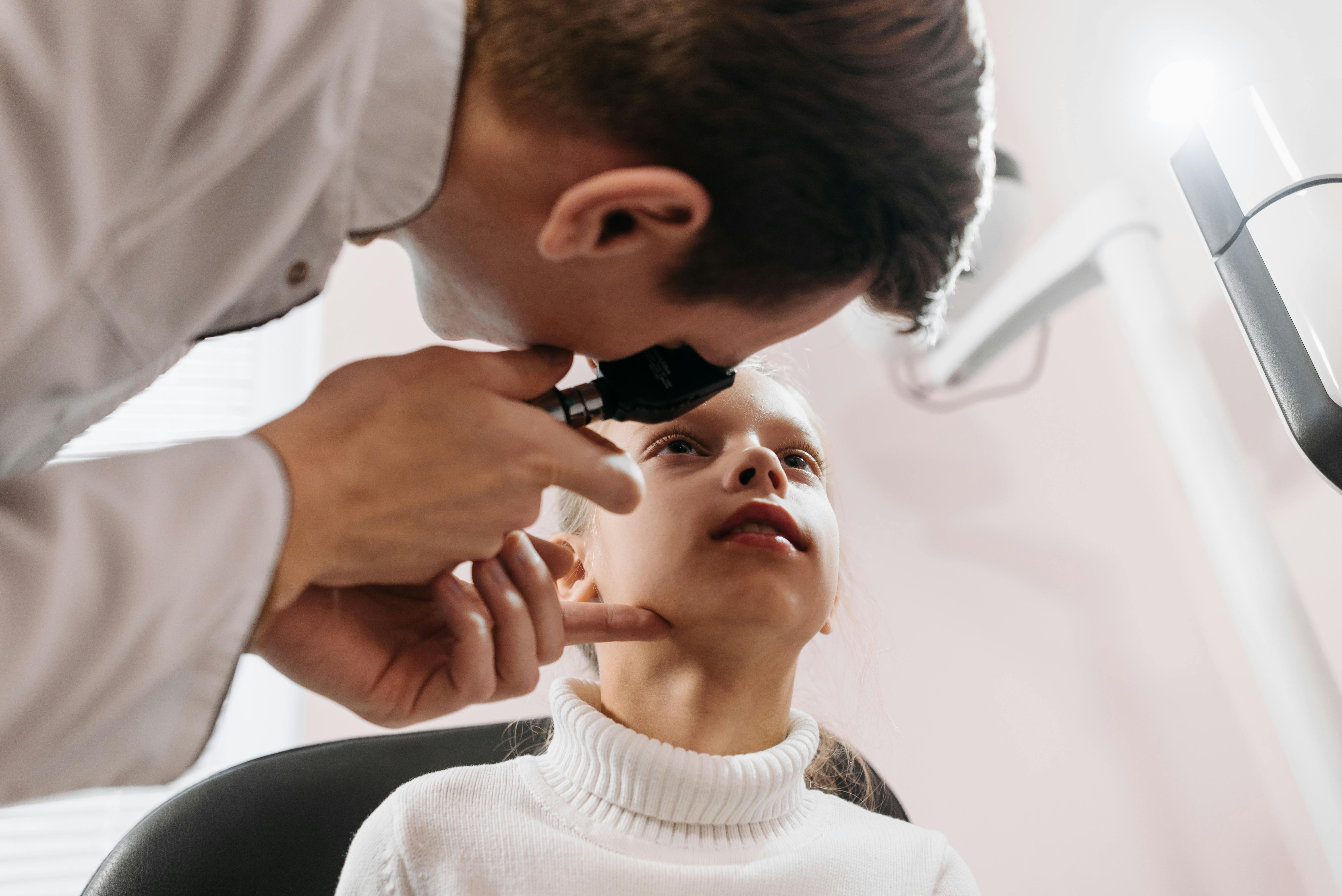
Discover the latest in AI-powered child health monitoring technology for 2026. From smart wearables tracking vital signs to intelligent home diagnostics, learn how these innovative pediatric AI tools offer early disease detection, enhance preventative child care, and provide unparalleled peace of mind. Compare the best health gadgets for kids and digital health solutions designed to optimize your child's wellness and future-proof their health.
Introduction to the Topic
As we navigate 2026, the landscape of parenting is continuously evolving, especially when it comes to safeguarding our children's health. The age-old anxieties of 'Is my child breathing okay?', 'Is that cough serious?', or 'Are they developing normally?' are now being met with revolutionary solutions powered by Artificial Intelligence. AI-powered child health monitoring isn't just a futuristic concept anymore; it's a present-day reality transforming pediatric care, offering parents unprecedented peace of mind, and empowering proactive health management like never before. This isn't merely about tracking steps; it's about sophisticated algorithms analyzing vital signs, sleep patterns, movement, and even subtle behavioral shifts to detect potential health issues long before they become critical. If you're looking to invest in your child's well-being with the most advanced tools available, understanding this technological shift is absolutely essential.
Backgrounds & Facts
The integration of AI into healthcare has been a steady march, but its application in pediatric health has seen an exponential surge in recent years. Traditionally, pediatric care relies heavily on periodic check-ups and parents' subjective observations. Children, especially infants and toddlers, cannot articulate their symptoms effectively, making early diagnosis challenging. This is where AI steps in. Advanced sensors, smart cameras, and sophisticated algorithms can now continuously collect and analyze data points that human observation often misses.
Consider these compelling facts for 2026: A recent study by the Global Pediatric Health Tech Alliance reported that AI-driven monitoring systems led to a 30% reduction in emergency room visits for respiratory infections in children under five, primarily due to earlier intervention. Furthermore, the market for wearable health tech for kids is projected to exceed $15 billion globally by 2028, underscoring the rapid adoption and trust parents are placing in these digital health solutions. These devices monitor everything from heart rate variability and oxygen saturation to sleep quality, skin temperature fluctuations, and even subtle changes in breathing patterns. The data collected is then processed by AI to identify anomalies, predict potential health risks, and provide actionable insights directly to parents and, with consent, to their pediatricians. Data privacy and security remain paramount, with leading manufacturers employing robust encryption, anonymization techniques, and compliance with global regulations like GDPR and HIPAA, ensuring your family’s sensitive information is protected.
Expert Opinion / Analysis
“The advent of AI in pediatric health monitoring is nothing short of a paradigm shift,” states Dr. Anya Sharma, a renowned Pediatric AI Specialist and Chief Medical Officer at OmniHealth Solutions. “For years, parents have craved more objective, continuous data about their child's health, and AI is finally delivering it. We’re moving beyond reactive medicine to truly preventative child care.”
Dr. Sharma emphasizes several key benefits: “Firstly, early disease detection is the most significant advantage. AI can spot subtle indicators of illness, such as a slight but consistent elevation in resting heart rate or a change in respiratory rhythm, days before a child shows overt symptoms. This allows for timely intervention, often preventing conditions from escalating into severe emergencies. Secondly, it provides personalized health insights. Every child is unique, and AI models can learn individual baselines, making alerts more accurate and less prone to false positives. Thirdly, it significantly reduces parental anxiety. Knowing that a smart monitor is continuously tracking vital signs, even through the night, offers an invaluable sense of security.”
However, Dr. Sharma also offers a cautious perspective: “While these tools are incredibly powerful, they are not a substitute for professional medical advice. They are diagnostic aids, not diagnosticians. Parents must be educated on how to interpret the data and understand when to consult their pediatrician. Furthermore, we must address the potential for 'alert fatigue' and ensure these technologies are accessible across all socioeconomic strata, bridging the digital health divide rather than widening it.” Her analysis underscores the importance of choosing reputable, clinically-validated devices and integrating them thoughtfully into a holistic approach to child wellness.
💰 Best Options in Comparison (VERY IMPORTANT)
Navigating the burgeoning market of AI-powered child health monitors can be overwhelming. To help you make an informed investment in your child's well-being, we've identified the top categories and leading solutions for 2026, focusing on accuracy, features, ease of use, and value.
- Smart Wearables for Continuous Vital Monitoring: These devices are designed to be worn comfortably by infants and children, providing real-time data on critical health metrics. They are ideal for monitoring sleep, activity, and detecting immediate health concerns.
- Integrated Home Health Hubs: These systems go beyond wearables, utilizing smart cameras, environmental sensors, and advanced audio analysis to create a comprehensive health surveillance network within your child's environment. Perfect for holistic monitoring and peace of mind.
- AI-Assisted Pediatric Wellness & Diagnostic Apps: While not physical devices, these subscription-based platforms leverage AI to help parents interpret symptoms, track developmental milestones, receive personalized health advice, and even connect with virtual pediatricians. An essential tool for proactive health management.
Here’s a comparison of some of the leading solutions and what makes them stand out:
| Product/Service Category | Key Features | Target Age Group | Subscription Cost (Est. 2026) | Key Benefit | Accuracy/Reliability | Privacy Features |
|---|---|---|---|---|---|---|
| PediTrack Pulse Band 2.0 (Wearable) | Continuous HR, SpO2, temp; sleep tracking; movement alerts; secure cloud data. | Infants (0-12 months), Toddlers (1-3 years) | Device: $299; App: $19/month | Clinical-grade vital sign monitoring for peace of mind during sleep. | High (FDA-cleared equivalent for non-medical use) | End-to-end encryption, anonymized data for research, user-controlled sharing. |
| Guardian Health Hub Pro (Home System) | AI-powered smart camera (breathing, movement, facial expression analysis); environmental sensors (temp, humidity, air quality); sound detection (cough, cry analysis). | Infants to School-Age (0-10 years) | Hub: $449; Service: $29/month | Comprehensive environmental and behavioral health monitoring for the entire nursery/room. | Very High (AI learning from large datasets, expert-validated algorithms) | Local processing option for video, secure streaming, parental access controls. |
| KidHealth AI Assistant (App-based) | Symptom checker with AI diagnosis probability; personalized wellness plans; growth & development tracking; virtual pediatrician consultations; medication reminders. | All Ages (Parents' tool) | Free basic; Premium: $14.99/month | Empowers parents with instant, intelligent health information and access to care. | High (Built on extensive medical databases, peer-reviewed algorithms) | HIPAA compliant, secure messaging, data encryption. |
Outlook & Trends
The future of AI in pediatric health monitoring in 2026 and beyond promises even more sophisticated and integrated solutions. We can anticipate predictive analytics becoming even more accurate, moving from early detection to true risk prediction for conditions like asthma exacerbations or even certain developmental delays. The integration with electronic health records (EHRs) will become seamless, allowing pediatricians to access real-time data and provide more targeted, personalized care. Imagine AI coaching for parents, offering tailored advice on nutrition, sleep, and activity based on their child's unique biological data.
Furthermore, expect to see the rise of multi-modal AI, combining data from wearables, home systems, and even smart clothing to create a holistic, 360-degree view of a child’s health. Ethical considerations around data ownership, algorithmic bias, and equitable access will continue to be crucial discussion points, driving innovation towards more transparent and inclusive technologies. The push for non-invasive, continuous monitoring will also lead to advancements in smart textiles and contact-free sensors, making health monitoring even less intrusive for children.
Conclusion
In 2026, AI-powered child health monitoring stands as a testament to how technology can profoundly enhance our ability to care for the next generation. These innovative tools are not just gadgets; they are essential investments in preventative child care, offering unparalleled early disease detection, personalized insights, and, most importantly, invaluable peace of mind for parents. By embracing these digital health solutions, you're not just tracking data; you're actively participating in a proactive approach to your child's wellness, empowering you with the knowledge and foresight to nurture their healthiest future. Explore the options, compare the features, and make the smart choice to future-proof your child's health today. Your child's well-being is the ultimate return on investment.