
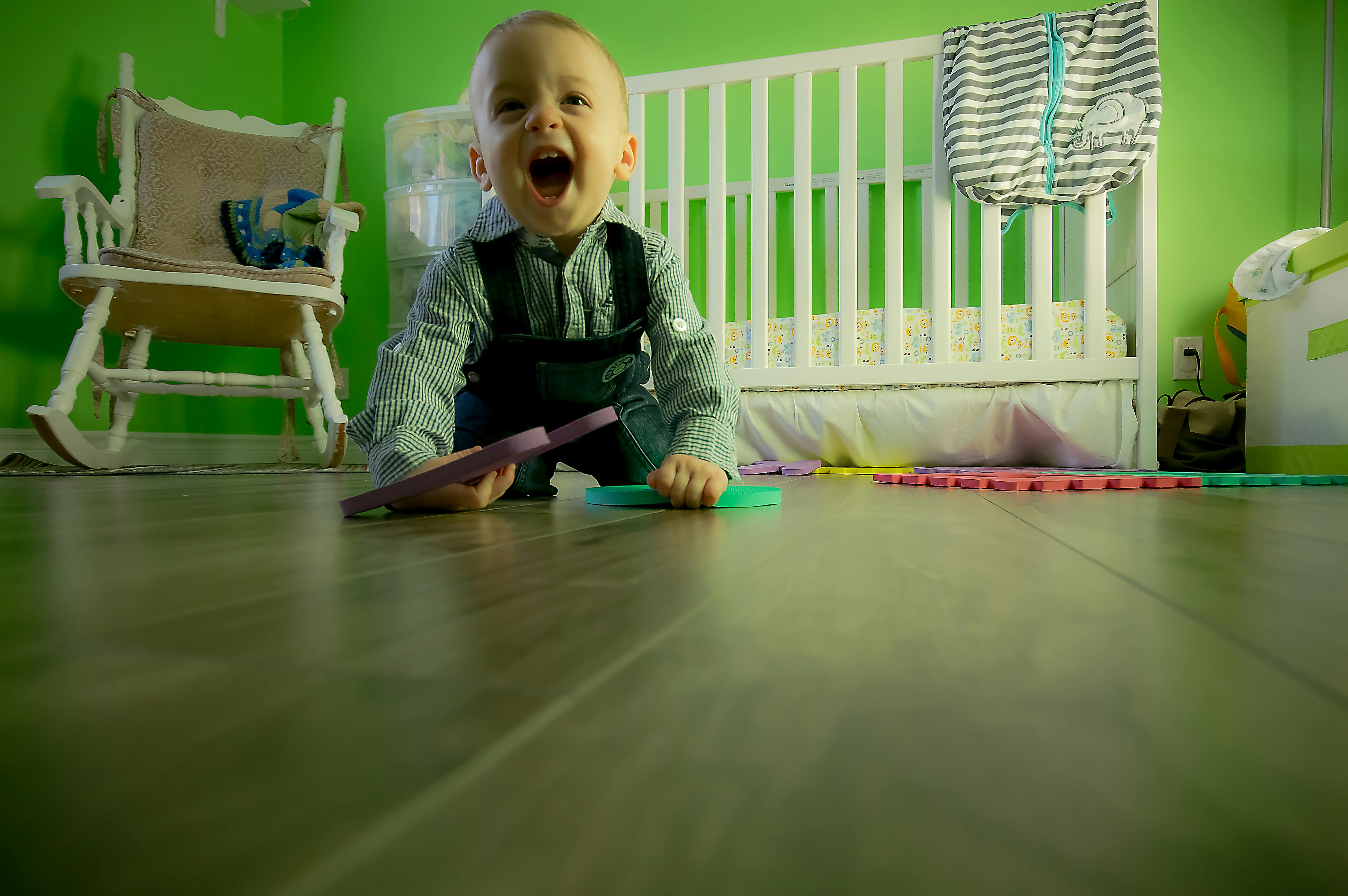
Discover how personalized learning is revolutionizing toddler development in 2026. This comprehensive guide explores the best smart educational toys, adaptive learning apps, and curated subscription boxes designed to boost cognitive, motor, and social-emotional skills. Learn how to optimize screen time, choose the right tools, and invest in your child's future with our expert comparisons and recommendations for discerning parents.
Introduction to the Topic
As we navigate 2026, the landscape of early childhood education is evolving at an unprecedented pace. The days of one-size-fits-all learning for toddlers are rapidly fading, replaced by a dynamic, personalized approach powered by innovative technology and cutting-edge developmental research. Parents today are not just seeking toys; they are looking for sophisticated personalized learning tools that genuinely adapt to their child's unique pace, interests, and developmental stage. This isn't just a trend; it's a paradigm shift, promising to unlock each toddler's full potential from their earliest years.
The question on every modern parent's mind is no longer if technology should be part of their toddler's learning journey, but how to integrate it effectively and beneficially. With an overwhelming array of options, from interactive smart toys to adaptive learning apps and curated subscription boxes, making informed choices is paramount. Our mission at parentingking.com is to cut through the noise, providing you with high-quality journalism, expert insights, and actionable recommendations to help you invest wisely in your toddler's future. Get ready to explore the best toddler development tools that are setting the standard for early learning in 2026.
Backgrounds & Facts
The foundation of personalized learning for toddlers is rooted in decades of child psychology and neuroscience. We now understand more than ever that every child develops differently, with unique strengths, challenges, and learning styles. Traditional preschool models, while valuable, often struggle to cater to this inherent individuality.
In 2026, the global market for early childhood educational products and services is booming, projected to exceed $300 billion, with a significant portion dedicated to digital and adaptive solutions. This growth is fueled by several factors:
- Neuroplasticity: Research confirms that a toddler's brain is incredibly plastic, forming over a million new neural connections every second. Personalized learning capitalizes on this by providing targeted stimuli during critical developmental windows.
- Data-Driven Insights: Modern tools use algorithms to track a child's progress, identify areas for growth, and adjust content difficulty in real-time, offering a truly bespoke learning path.
- Parental Demand: Today's parents are more educated and proactive about their child's development, seeking out premium products and services that offer a competitive edge. They are actively searching for educational toys for toddlers and learning apps for preschoolers that go beyond basic entertainment.
- Holistic Development: Beyond cognitive skills, the focus has broadened to include fine and gross motor skills, language acquisition, problem-solving, and crucially, social-emotional learning (SEL) – all areas where personalized tools can offer tailored support.
While the benefits are clear, parents must navigate the landscape carefully, ensuring that screen time is balanced with real-world interaction and that chosen tools align with reputable developmental principles. The goal is to enhance, not replace, the invaluable role of parental engagement and free play.
Expert Opinion / Analysis
“The shift towards personalized learning for toddlers isn't just about technology; it's about understanding and respecting the individual child,” states Dr. Anya Sharma, a renowned child development specialist and author of 'The Adaptive Toddler.' “In 2026, we have access to incredible tools that, when used mindfully, can act as powerful accelerators for development. However, the key is balance.”
Dr. Sharma emphasizes that the most effective personalized learning tools for toddlers are those that:
- Are truly adaptive: They don't just offer different levels; they learn from the child's interactions and adjust the curriculum accordingly, much like a personal tutor.
- Promote active engagement: Passive consumption of content is out. The best tools encourage interaction, problem-solving, and creative expression.
- Integrate multiple developmental domains: A great tool might blend early literacy with fine motor skill practice or introduce basic coding concepts through imaginative play.
- Support, not supplant, human interaction: The digital experience should spark conversations, shared activities, and opportunities for parents to engage with their child's learning.
“Parents should look for tools that offer robust parental dashboards, allowing them to monitor progress and understand the 'why' behind the learning activities,” advises Dr. Sharma. “Moreover, be wary of excessive screen time. Even the best app should be part of a diverse developmental diet that includes outdoor play, reading books, and social interactions. Personalized learning is a powerful ingredient, not the entire meal.” This expert advice underscores the importance of intentional choices when selecting toddler learning programs and cognitive development toys.
💰 Best Options in Comparison (VERY IMPORTANT)
Navigating the burgeoning market of personalized learning solutions for toddlers in 2026 can be daunting. To help you make the best investment, we've identified three leading categories and highlighted top-tier options that deliver exceptional value and proven developmental benefits. These selections are chosen for their innovation, effectiveness, and ability to cater to a child's unique learning journey, maximizing your return on investment in your child's future.
-
Option 1: Adaptive Learning Apps & Digital Platforms
These platforms leverage AI and sophisticated algorithms to create a truly individualized learning path. They are ideal for developing cognitive skills, early literacy, numeracy, and problem-solving through engaging, interactive activities.
🌟 Our Top Pick: 'ToddlerGenius AI' (Subscription-based)
ToddlerGenius AI (Est. 2024) stands out with its unparalleled adaptability. It starts with a brief assessment (often playful, parent-assisted) and then continuously adjusts its curriculum based on your toddler's responses, engagement levels, and progress. It offers modules for language development, early math, emotional recognition, and creative play, all presented with captivating 3D animations and gentle voice guidance. Parents receive detailed weekly reports and activity suggestions for offline reinforcement. It's an excellent choice for busy parents seeking a structured yet flexible educational supplement.
Key Features: AI-driven adaptive curriculum, parental controls & insights, offline activity suggestions, ad-free. Ideal for: Boosting cognitive skills, early academic readiness. Start Your Free Trial Here!
-
Option 2: Smart Interactive Play Systems & Educational Robots
Blending the physical and digital, these systems offer a tactile, multi-sensory learning experience. They are fantastic for developing fine motor skills, spatial reasoning, basic coding concepts, and collaborative play.
🌟 Our Top Pick: 'PlayPath Explorer Kit' (One-time purchase + Expansion Packs)
The PlayPath Explorer Kit (Launched 2025) is a revolutionary system featuring an adorable, programmable robot companion and a set of interactive, NFC-enabled play tiles. Toddlers use the tiles to create 'paths' or 'puzzles' that the robot follows, teaching sequential thinking and cause-and-effect. The companion app offers additional challenges and story modes, while the robot itself responds to touch and voice commands. It's durable, screen-time balanced, and encourages both independent and guided play, making it a top contender for smart educational toys.
Key Features: Physical-digital integration, basic coding introduction, durable & child-safe design, encourages problem-solving. Ideal for: Fine motor skills, logical thinking, STEM introduction. Discover the PlayPath Explorer Kit!
-
Option 3: Curated Developmental Subscription Boxes
For parents who prefer hands-on, Montessori-inspired learning without the digital component, subscription boxes deliver age-appropriate, high-quality materials directly to your door, encouraging sensory exploration and imaginative play.
🌟 Our Top Pick: 'Little Learners Lab' (Monthly Subscription)
Little Learners Lab (Revamped 2026) offers monthly themed boxes packed with open-ended, sustainably sourced materials designed by early childhood educators. Each box includes 3-4 activities targeting specific developmental milestones (e.g., sensory bin materials, puzzle pieces, art supplies, storybooks) along with a detailed parent guide explaining the educational benefits and extension activities. It's perfect for fostering creativity, independent play, and provides a refreshing break from screens. This is a premium choice for Montessori at home and sustainable toddler products.
Key Features: Age-appropriate & themed boxes, high-quality sustainable materials, expert-designed activities, parent guide. Ideal for: Sensory play, creativity, hands-on learning, screen-free engagement. Get Your First Little Learners Lab Box!
Here’s a comparative look at these leading personalized learning options:
| Feature | ToddlerGenius AI | PlayPath Explorer Kit | Little Learners Lab |
|---|---|---|---|
| Type | Adaptive Learning App | Smart Interactive Toy | Curated Subscription Box |
| Price Model | Monthly/Annual Subscription (~$15-25/month) | One-time Purchase (~$150-250) | Monthly Subscription (~$30-50/month) |
| Age Range | 18 months - 5 years | 2 - 6 years | 0 - 4 years |
| Primary Focus | Cognitive, Language, Early Math, SEL | Fine Motor, Logical Thinking, STEM, Spatial Reasoning | Sensory, Creativity, Fine Motor, Imaginative Play |
| Screen Time | Moderate (interactive) | Low (companion app) | None |
| Pros | Highly adaptive, detailed reports, broad curriculum | Engaging physical play, introduces coding, durable | Hands-on, screen-free, sustainable, expert-curated |
| Cons | Requires screen device, subscription cost | Higher initial cost, may require parental assistance | No digital component, accumulation of materials |
| Best For | Parents prioritizing adaptive digital learning & data insights | Parents seeking interactive STEM & motor skill development | Parents preferring screen-free, Montessori-style hands-on learning |
By carefully considering your child's needs, your parenting philosophy, and your budget, you can select the best toddler learning tools that will truly make a difference. We encourage you to click through and explore these options further to see which aligns best with your family's goals for optimal toddler development.
Outlook & Trends
The future of personalized learning for toddlers in 2026 and beyond promises even greater innovation and integration. We anticipate several key trends shaping this exciting field:
- Advanced AI & Predictive Analytics: Expect even more sophisticated AI that can not only adapt but also predict a child's next learning challenge or interest, proactively suggesting activities.
- Augmented Reality (AR) & Virtual Reality (VR) Integration: While full VR for toddlers is still some years away, AR experiences that blend digital elements with the physical world (e.g., interactive storybooks, 'magic' drawing apps) will become more common, offering immersive learning without isolating the child.
- Holistic Well-being Focus: Beyond academics, tools will increasingly incorporate explicit modules for emotional intelligence, mindfulness, and resilience, recognizing the critical role of social-emotional development.
- Sustainability & Ethics: A growing demand for eco-friendly materials, ethically sourced components, and transparent data privacy practices will push manufacturers to adopt higher standards. Parents will actively seek out brands committed to sustainable toddler products.
- Hybrid Learning Models: The distinction between digital and physical learning will blur further, with more products offering seamless transitions between screen-based activities and hands-on play, often connected through a single platform.
The goal remains consistent: to provide every child with the best possible start, tailored to their individual needs, fostering a lifelong love of learning. These evolving technologies will empower parents to be more effective facilitators of their child's unique developmental journey.
Conclusion
In 2026, the opportunity to provide your toddler with a truly personalized learning experience is richer and more accessible than ever before. From adaptive learning apps that fine-tune cognitive skills to smart interactive toys that spark curiosity and subscription boxes that bring Montessori principles home, the options are designed to meet diverse needs and preferences. By understanding the underlying science, heeding expert advice, and carefully comparing the best tools on the market, you can make informed decisions that will profoundly impact your child's toddler development.
Remember, the most effective personalized learning journey is one that is balanced, engaging, and always complemented by your love, attention, and real-world interactions. Invest in tools that empower, not just entertain, and watch your little one thrive. The future of learning is here, and it's personal. Don't wait to give your child the foundational advantage they deserve. Start exploring these incredible educational tools for toddlers today and unlock their boundless potential!