
Children who struggle to form letters are often given more letter practice. The limiting factor is frequently the hand itself, and the hand is built by other activities.
The muscles that matter are inside the hand
Fine control of a pencil comes largely from small muscles within the palm and fingers rather than from the forearm. They stabilise the thumb and allow the fingertips to move independently.
These muscles are used whenever something is squeezed, pinched, twisted or held against resistance. They are barely used when a child drags a pencil across paper with a whole-hand grip.
Practising letters with an immature grip therefore rehearses the compensation rather than building the capacity, which is why the effort so often produces little improvement.
Stability comes before precision
Control develops from the trunk outward. A child needs a stable shoulder and elbow before the wrist can be steady, and a steady wrist before the fingers can move accurately.
Activities that load the larger joints, such as climbing, hanging, pushing and painting on a vertical surface, contribute to writing even though they involve no writing at all.
Sitting position matters for the same reason. A child whose feet do not reach the floor spends effort on balance that would otherwise be available to the hand.
The classic craft activities are targeted exercise
Several everyday materials load exactly the right structures, which is why they persist in early years settings long after fashions change.
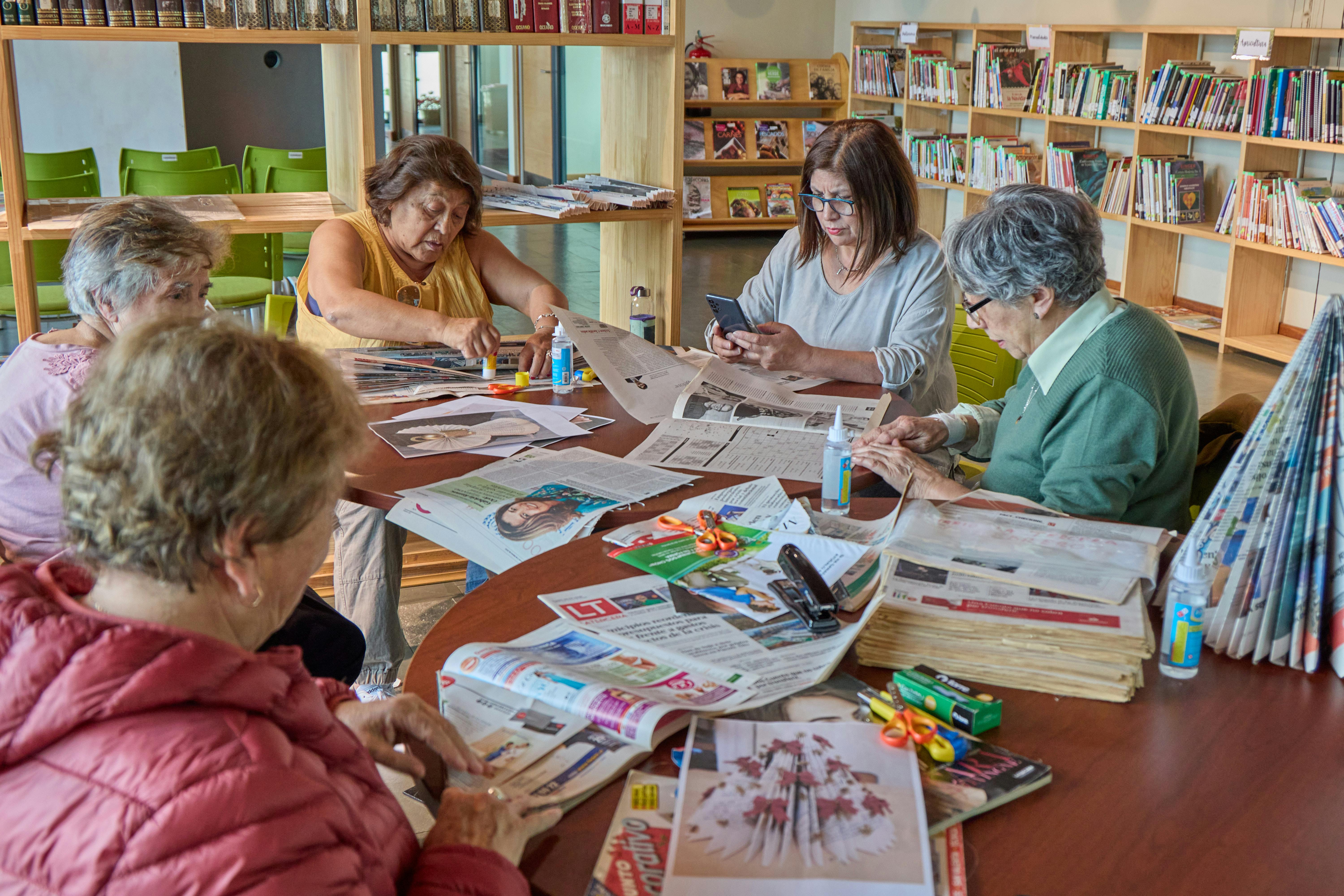
- Scissors, which train the open and close action against resistance
- Tearing paper, which requires the two hands to do different things at once
- Threading beads and laces, which demands a precise pinch and a stable wrist
- Dough, clay and putty, which build sustained grip strength
- Pegs, tweezers and spray bottles, which isolate the finger and thumb
None of these resembles writing, and that is the point. The transfer happens through the shared muscle groups rather than through similarity of the task.
Grip develops in a recognised sequence
Young children typically hold a tool in a whole fist, then with the fingers pointing down, and only later with the thumb and two fingers in the mature arrangement.
The sequence unfolds over several years and cannot usefully be skipped by correction. A child moved to a mature grip before the hand supports it will tire quickly and revert.
Grip aids and shaped pencils can help some children and mask the underlying issue in others, which is one reason they are used selectively rather than routinely.
When to ask someone
Persistent difficulty well beyond the age when peers have moved on, pain or fatigue when writing, or avoidance of all fine-motor tasks are worth discussing with a teacher or health professional.
An occupational therapist can distinguish between a hand that needs more use and a difficulty with the planning of movement, which look similar from outside and are addressed differently.
Until that point, the useful response to slow letter formation is usually more cutting and squeezing rather than more writing.