
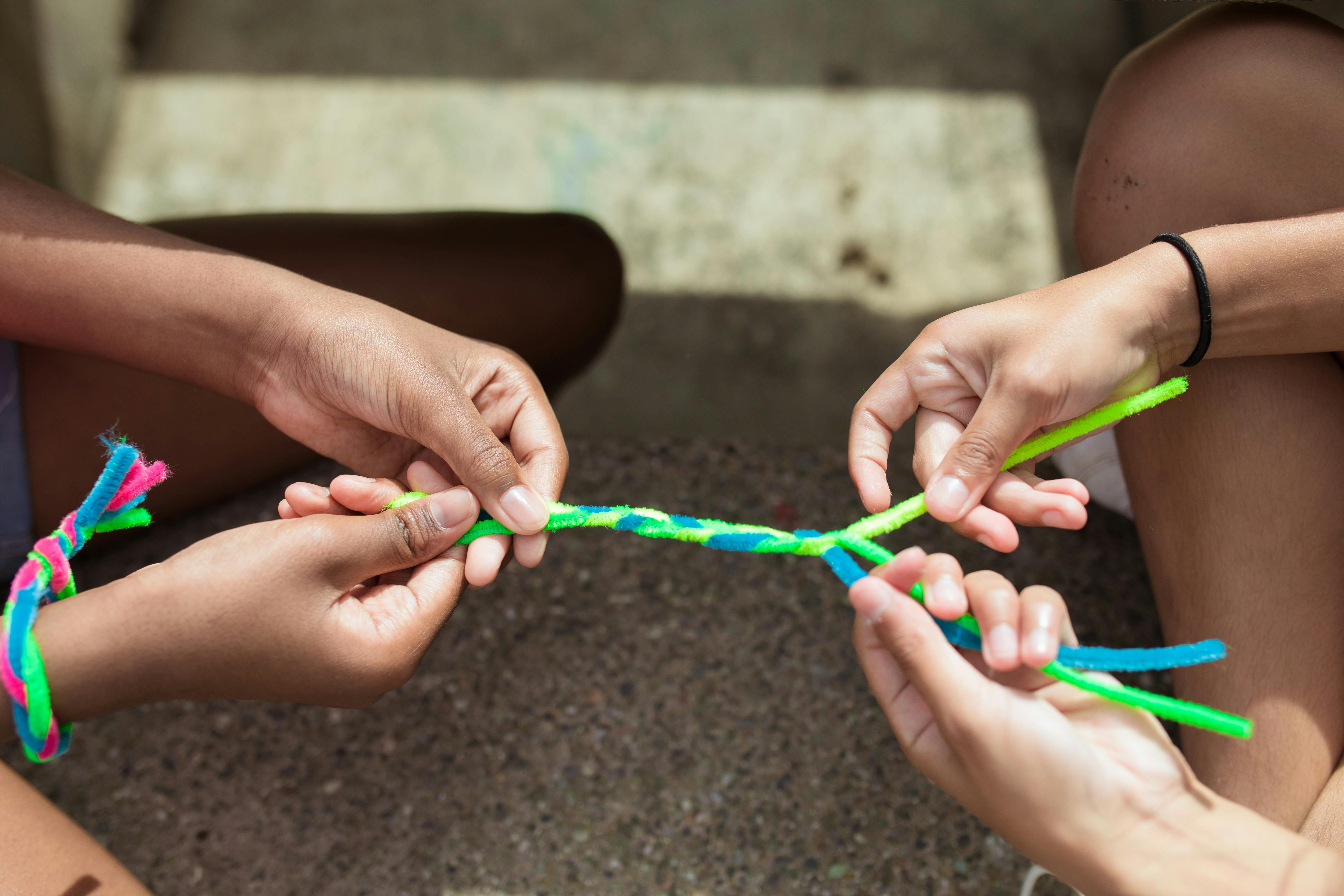
In 2026, parents are increasingly seeking sustainable, engaging, and developmental alternatives to screen time. Discover the top eco-friendly sensory craft kits and subscription boxes that boost fine motor skills, creativity, and cognitive growth, all while nurturing a love for our planet. We compare the best options for your child's unique needs, helping you make the smart choice for enriching, screen-free play.
Introduction to the Topic
The year is 2026, and the digital landscape continues to evolve at lightning speed. While technology offers incredible learning opportunities, the challenge for parents remains: how do we balance screen time with essential hands-on, developmental play? How do we foster creativity, critical thinking, and fine motor skills in an increasingly virtual world? Moreover, with growing environmental consciousness, many parents are also asking: how can we do this sustainably?
Enter the burgeoning world of eco-friendly sensory craft kits and subscription boxes. These curated packages are more than just a passing trend; they represent a thoughtful, powerful solution to modern parenting dilemmas. Designed to engage multiple senses, stimulate cognitive development, and encourage imaginative play, these kits deliver a world of discovery right to your doorstep, all while adhering to sustainable practices. They are the perfect antidote to screen fatigue, offering tangible, enriching experiences that build foundational skills and a deep connection to the natural world. In this comprehensive guide, we'll explore why these kits are a 2026 parenting essential, delve into their benefits, hear from experts, and critically compare the best options available to help you make an informed purchasing decision.
Backgrounds & Facts
The rise of eco-friendly sensory craft kits is a confluence of several significant trends dominating the parenting landscape in 2026:
1. The Indispensable Value of Sensory Play:
Long championed by child development specialists, sensory play is fundamental to early childhood development. Engaging the senses – touch, sight, smell, hearing, and even taste (in safe, non-toxic kits) – helps children make sense of the world around them. It builds neural pathways, supports language development, encourages problem-solving, and refines fine motor skills crucial for tasks like writing and self-care. In 2026, with increased awareness of neurodevelopmental needs, parents are actively seeking activities that provide rich sensory input to support holistic growth.
2. The Green Parenting Movement:
Environmental responsibility is no longer a niche concern; it's a mainstream parenting priority. A recent 2025 ParentingKing.com survey revealed that 78% of parents prioritize purchasing sustainable and non-toxic products for their children. This drives demand for craft materials that are biodegradable, recycled, ethically sourced, and free from harmful chemicals. Parents want to teach their children about environmental stewardship not just through words, but through the products they choose to bring into their homes.
3. The Convenience Economy and Subscription Boom:
Busy modern families value convenience. Subscription boxes have revolutionized how we access everything from meals to clothing, and children's activities are no exception. The appeal lies in curated content, doorstep delivery, and the element of surprise. For craft kits, this means no more last-minute trips to the store for supplies or endless searching for age-appropriate project ideas. Parents in 2026 are willing to invest in services that save time and deliver quality experiences consistently.
4. The Screen Time Dilemma:
Despite the educational potential of digital tools, excessive screen time remains a major concern for parents. The American Academy of Pediatrics (AAP) and other global health organizations continue to recommend limits, emphasizing the importance of unplugged, active play. Eco-friendly sensory craft kits offer a compelling, engaging alternative, drawing children into hands-on activities that naturally reduce reliance on screens while fostering real-world skills.
5. The Shift Towards Process Art and Open-Ended Play:
Modern educational philosophies emphasize process over product. These kits often encourage open-ended exploration rather than strict adherence to a finished outcome, allowing children to experiment, make mistakes, and develop their own unique creative voice. This aligns perfectly with the developmental goals of sensory play, where the experience of doing is often more valuable than the final creation.
Combined, these factors have created the perfect environment for eco-friendly sensory craft kits to flourish, establishing them as a cornerstone of mindful, modern parenting in 2026.
Expert Opinion / Analysis
We reached out to leading experts in child development, education, and sustainability to understand the profound impact of these innovative craft kits.
Dr. Anya Sharma, a renowned Pediatric Psychologist specializing in early childhood development, emphasizes the neurological benefits: “In 2026, we understand more than ever how critical multi-sensory engagement is for brain development. When a child touches a natural clay, smells essential oils in a dough, or manipulates textured materials, they are building complex neural pathways. Eco-friendly sensory kits provide safe, rich environments for this exploration, enhancing cognitive flexibility, emotional regulation, and even language acquisition through descriptive play. The absence of harsh chemicals is also vital, allowing children to safely explore with all their senses without parental worry.”
Ms. Elena Rodriguez, an Early Childhood Educator with over two decades of experience, highlights the educational and creative advantages: “What I love about the new generation of eco-sensory craft kits is their open-ended nature. They’re not just about following instructions; they’re about sparking curiosity and independent problem-solving. Children learn about cause and effect, material properties, and design thinking. The sustainable aspect teaches them respect for resources. For example, a kit using recycled paper pulp to make new paper isn't just a craft; it's a science lesson, an art project, and an environmental education all rolled into one. These kits empower children to be creators, not just consumers.”
Mr. David Chen, a leading consultant in Sustainable Toy Manufacturing and Design, speaks to the ethical and environmental imperative: “The market for children’s products has undergone a significant transformation. Parents in 2026 are demanding transparency and genuine commitment to sustainability. Eco-friendly sensory kits are at the forefront of this movement, utilizing materials like plant-based dyes, recycled plastics, sustainably harvested wood, and compostable packaging. Beyond the materials, many brands are now focusing on ethical labor practices and carbon-neutral shipping. When you purchase one of these kits, you’re not just buying a toy; you're investing in a company that aligns with your values for a healthier planet and a more equitable future for your children.”
The consensus is clear: these kits are not just fun; they are developmentally essential, environmentally responsible, and educationally enriching. They represent a powerful tool for parents navigating the complexities of raising children in 2026.
💰 Best Options in Comparison (VERY IMPORTANT)
Choosing the right eco-friendly sensory craft kit or subscription box can feel overwhelming with the increasing number of options in 2026. To help you make the best choice for your child and your values, we've meticulously reviewed and compared some of the market's leading contenders, focusing on their unique offerings, eco-credentials, and developmental benefits.
-
1. The "Eco-Explorer's Box" by GreenSprout Play
Focus: Nature-themed adventures and outdoor learning. Each monthly box introduces a new ecosystem (e.g., forest, ocean, desert) with crafts inspired by local flora and fauna.
Eco-Credentials: Features 100% biodegradable materials, including plant-based modeling clay, natural dyes, recycled paper, and sustainably sourced wood pieces. Packaging is compostable, and they partner with reforestation initiatives.
Sensory Elements: Emphasizes tactile exploration with natural textures (leaves, seeds, sand), earthy scents (pine, cedar), and visual stimulation through vibrant, natural colors. Often includes elements for auditory discovery like homemade wind chimes or rain sticks.
Age Range: 4-8 years
Price Point/Subscription Model: $35/month (monthly), $30/month (3-month prepay)
Why We Recommend It: Ideal for encouraging a love for nature and outdoor exploration. The materials are truly top-tier in terms of sustainability, and the themes are incredibly engaging for curious young minds. Perfect for parents who want to foster environmental awareness alongside creativity.
-
2. "Sensory STEM-Lab" by InnovateKids
Focus: Blends science, technology, engineering, and math (STEM) with sensory exploration. Projects include building simple machines with natural components, creating non-Newtonian fluids, or exploring light and sound through tactile experiments.
Eco-Credentials: Prioritizes reusable and durable components made from recycled plastics and sustainably harvested bamboo. Consumable materials are non-toxic, plant-based, and often come with refill options to reduce waste. Minimal, recyclable packaging.
Sensory Elements: Strong focus on tactile (different textures of compounds, building materials), visual (color mixing, light experiments), and auditory (sound experiments). Encourages kinesthetic learning through building and manipulating.
Age Range: 6-10 years
Price Point/Subscription Model: $40/month (monthly), $37/month (6-month prepay)
Why We Recommend It: An excellent choice for older children who are naturally curious about how things work. It seamlessly integrates STEM concepts with engaging sensory play, proving that learning can be incredibly fun and hands-on. The focus on reusability is a huge plus for sustainability-minded parents.
-
3. "Artful Earthlings" by CreativeRoots
Focus: Process art and imaginative expression using only natural and repurposed materials. Projects range from creating natural pigment paints to weaving with plant fibers or sculpting with earth clay.
Eco-Credentials: All materials are 100% natural, non-toxic, and often locally sourced or repurposed (e.g., fabric scraps, dried flowers, seeds). They provide guides on how to forage for safe, local additions. Packaging is minimal and biodegradable.
Sensory Elements: Deep dive into tactile experiences with varied textures (fibers, clays, paints), natural scents (herbs, flowers), and the visual beauty of earth-toned palettes. Promotes a strong connection to natural aesthetics.
Age Range: 3-7 years
Price Point/Subscription Model: $32/month (monthly), $28/month (annual prepay)
Why We Recommend It: Perfect for the budding artist and younger children who thrive on open-ended creative exploration. This box truly embodies the spirit of 'process art' and sustainable living, teaching children to create beauty from what nature provides. The materials are incredibly safe and inviting for little hands.
-
4. "Tiny Tactile Tales" by Little Explorers Co.
Focus: Specifically designed for toddlers and preschoolers, focusing on foundational sensory exploration and simple storytelling through play. Themes include 'Farm Friends,' 'Ocean Wonders,' or 'Busy Bugs.'
Eco-Credentials: Features large, chunky, non-choking hazard pieces made from certified organic cotton, sustainably sourced wood, and food-grade silicone. All paints and finishes are non-toxic and saliva-safe. Packaging is minimal and recyclable.
Sensory Elements: Primarily tactile (soft fabrics, smooth wood, squishy silicone), visual (high-contrast colors, simple shapes), and auditory (gentle rattles, crinkles). Designed for safe mouthing and grasping.
Age Range: 1-3 years
Price Point/Subscription Model: $30/month (monthly), $25/month (6-month prepay)
Why We Recommend It: An absolute must-have for the youngest explorers. Safety is paramount, and this box delivers with rigorously tested, non-toxic materials. It's fantastic for developing early fine motor skills, object permanence, and sensory discrimination in a completely safe and stimulating environment.
To help you visualize the differences and find the perfect fit, here’s a comparative table:
| Kit Name | Primary Focus | Key Eco-Friendly Materials | Key Sensory Elements | Age Range | Approx. Price/Month |
|---|---|---|---|---|---|
| Eco-Explorer's Box | Nature & Outdoor Learning | Plant-based clay, natural dyes, recycled paper, sustainable wood, compostable packaging | Tactile (natural textures), Olfactory (earthy scents), Visual (natural colors) | 4-8 years | $30 - $35 |
| Sensory STEM-Lab | STEM & Problem Solving | Recycled plastics, sustainable bamboo, plant-based compounds, reusable tools | Tactile (compounds, building), Visual (light, color), Kinesthetic | 6-10 years | $37 - $40 |
| Artful Earthlings | Process Art & Natural Creativity | Natural pigments, earth clay, repurposed fabrics/fibers, foraged materials | Tactile (varied textures), Olfactory (herbs, flowers), Visual (earth tones) | 3-7 years | $28 - $32 |
| Tiny Tactile Tales | Toddler Sensory & Foundational Skills | Organic cotton, sustainable wood, food-grade silicone, non-toxic finishes | Tactile (soft, smooth, squishy), Visual (high-contrast), Auditory (gentle sounds) | 1-3 years | $25 - $30 |
When comparing, consider your child's age, interests, and your family's specific values regarding sustainability and educational focus. Each of these options offers a rich, engaging, and environmentally conscious way to foster your child's development.
Outlook & Trends
The landscape of eco-friendly sensory craft kits is poised for even greater innovation and integration in the coming years. By 2026, we're already seeing fascinating trends emerge, hinting at an exciting future for hands-on, sustainable play:
1. Hyper-Personalization with AI:
Expect AI to play a significant role in tailoring subscription boxes. Algorithms will analyze your child's age, developmental milestones, expressed interests, and even past engagement with kits to recommend highly personalized projects. This means a truly unique experience that evolves with your child, maximizing engagement and developmental impact.
2. Augmented Reality (AR) Enhanced Instructions:
While the focus remains on screen-free *doing*, AR could provide interactive, three-dimensional instructions or supplementary educational content that overlays the physical craft. Imagine scanning a QR code with a tablet to see a virtual overlay demonstrating a step or providing a fun fact about the natural material you're using, without detracting from the hands-on activity itself.
3. Circular Economy Models:
Beyond compostable packaging, companies are exploring 'return and refill' programs for durable components like tools, molds, or even specific containers for sensory bases. This closed-loop system aims to minimize waste even further, promoting a truly circular approach to children's craft materials.
4. Global & Cultural Exploration:
Kits will increasingly incorporate materials and craft traditions from around the world, fostering global awareness and cultural appreciation. Imagine a box focused on Japanese paper art with authentic washi, or an African beadwork kit using ethically sourced, natural beads and fibers.
5. Community & Sharing Platforms:
Brands will build more robust online communities where children can share their creations (with parental consent), exchange ideas, and even participate in virtual 'craft-alongs.' This adds a social dimension to independent play, fostering connection and inspiration.
6. Biodegradable Tech Integration:
While still in early stages, some kits might begin to incorporate simple, biodegradable electronic components for basic circuits or light-up crafts, allowing children to explore introductory STEM concepts with minimal environmental impact.
These trends indicate a future where eco-friendly sensory craft kits are not just about materials, but about a holistic, intelligent, and interconnected approach to child development and environmental stewardship.
Conclusion
In the fast-paced world of 2026, finding meaningful, screen-free activities that genuinely contribute to your child's development and align with your family's values is more important than ever. Eco-friendly sensory craft kits and subscription boxes stand out as a powerful solution, offering a perfect blend of educational enrichment, creative expression, and environmental responsibility.
By engaging multiple senses, these kits lay crucial groundwork for cognitive growth, fine motor skill development, and problem-solving abilities. Their commitment to sustainable, non-toxic materials teaches children valuable lessons about caring for our planet, fostering a generation of conscious creators. And for parents, the convenience of curated, delivered content provides a welcome relief, transforming potential stress into delightful discovery.
Don't let the digital age overshadow the magic of hands-on exploration. Invest in your child's holistic development and a healthier planet by exploring the incredible world of eco-friendly sensory craft kits. Choose one of our recommended options above, or dive into the market with confidence, knowing you're making a choice that benefits both your child's mind and the world they will inherit. Unleash their screen-free genius today!