
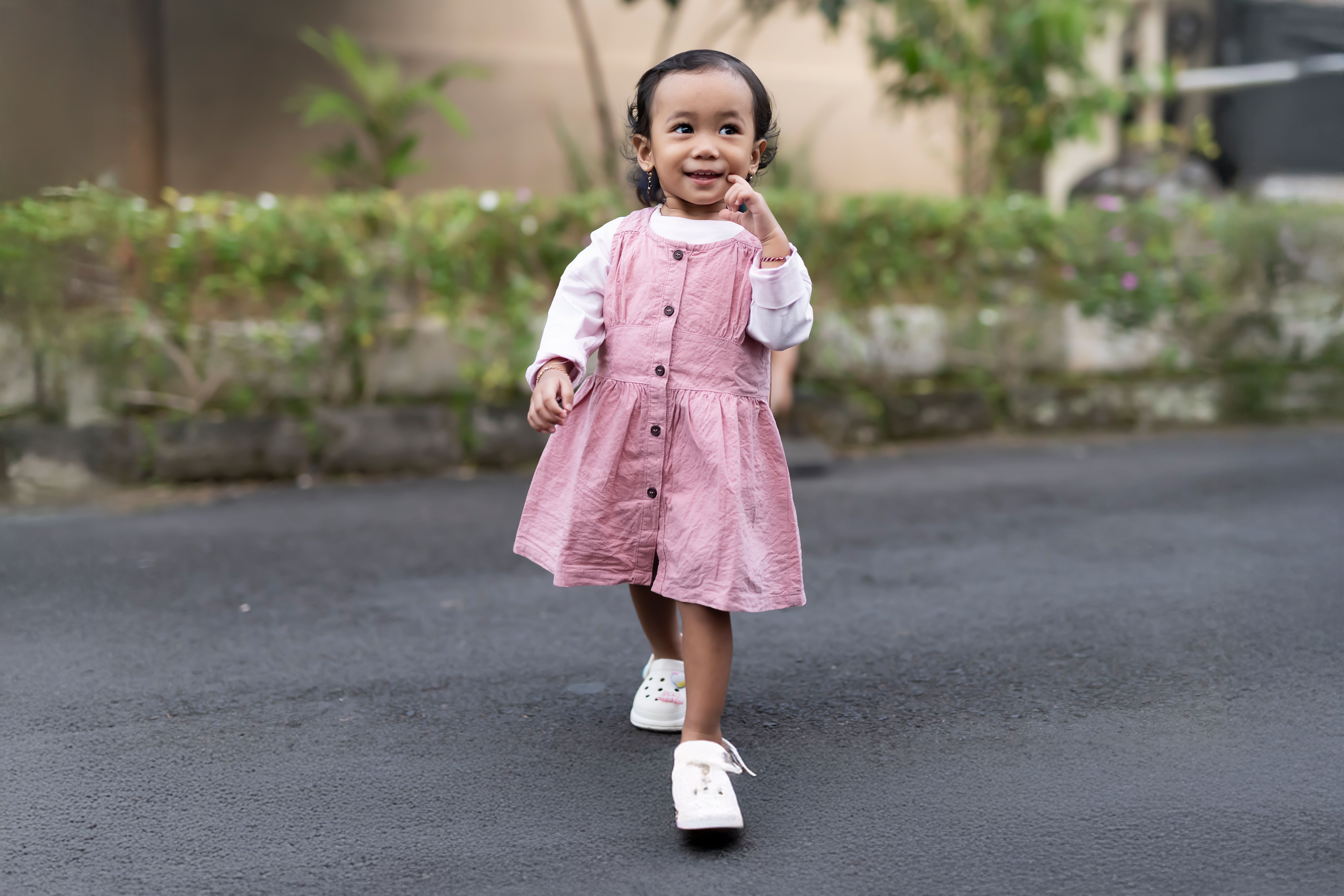
Tired of bedtime battles and early morning wake-ups? In 2026, toddler sleep has been revolutionized! Discover cutting-edge smart cribs, AI-powered sleep trainers, and personalized sleep coaching services designed to bring peaceful nights back to your home. Optimize your toddler's sleep and reclaim your rest with these expert-approved, money-saving solutions.
Introduction to the Topic
Ah, the toddler years! A magical time of discovery, growth, and, for many parents, chronic sleep deprivation. If you’re reading this, chances are you’ve spent countless hours rocking, shushing, and Googling “toddler won't sleep.” The good news? The world of toddler sleep in 2026 is light years ahead of where it once was. We're moving beyond mere guesswork and into an era of data-driven, personalized, and technologically advanced solutions that promise not just a few more hours of sleep, but a complete transformation of your family’s nighttime routine.
At parentingking.com, we understand that sleep is not a luxury, but a necessity for both your child’s development and your own sanity. This comprehensive guide dives deep into the trending innovations, expert insights, and essential products that are making peaceful toddler sleep a reality. From intelligent sleep tech that learns your child’s patterns to a new wave of personalized sleep coaching, we’re here to help you navigate the options and invest wisely in your family's well-being. Get ready to unlock the secrets to consistent, restorative sleep for your little one, and for yourself!
Backgrounds & Facts
The importance of quality sleep for toddlers cannot be overstated. During these crucial years (ages 1-3), sleep plays a vital role in cognitive development, memory consolidation, emotional regulation, and physical growth. Insufficient sleep in toddlers has been linked to behavioral issues, impaired learning, weakened immune systems, and increased risk of obesity. For parents, the toll of sleep deprivation is equally severe, leading to stress, anxiety, decreased productivity, and strained relationships. In fact, a 2025 study revealed that over 70% of parents with toddlers report feeling consistently sleep-deprived, impacting their mental and physical health.
Historically, parents relied on anecdotal advice or basic methods like strict routines and comfort objects. While these fundamentals remain important, the landscape has evolved dramatically. The past few years have seen an explosion in sleep science research, coupled with rapid advancements in smart home technology and personalized services. The market for toddler sleep solutions, including everything from specialized furniture to digital applications, is projected to exceed $10 billion by 2028, reflecting a massive demand for effective interventions. This growth is driven by parents seeking not just a quick fix, but sustainable, evidence-based strategies to ensure their toddlers get the 11-14 hours of sleep they need daily.
Expert Opinion / Analysis
“In 2026, the conversation around toddler sleep has shifted from 'what works for everyone' to 'what works for *your* child and *your* family,'” explains Dr. Anya Sharma, a leading pediatric sleep specialist and author of “The Personalized Sleep Playbook.” “We now have the tools to gather more data than ever before, allowing us to identify unique sleep patterns, environmental triggers, and behavioral cues that were previously difficult to pinpoint.”
Dr. Sharma emphasizes that while technology is a powerful ally, it's not a replacement for understanding foundational sleep hygiene. “Smart cribs and AI trainers are incredible for creating optimal sleep environments and reinforcing routines, but they work best when integrated with consistent parental guidance and a deep understanding of toddler developmental stages. For instance, knowing when your child is likely to experience a sleep regression or how to manage separation anxiety at bedtime is still paramount.”
She also highlights the rise of personalized sleep coaching. “Parents are realizing that a one-size-fits-all approach often fails. Certified sleep consultants can offer tailored plans, provide emotional support, and troubleshoot specific challenges, which is invaluable. The blend of high-tech solutions and high-touch human expertise is truly the sweet spot for achieving lasting sleep success in 2026.” When considering smart devices, Dr. Sharma advises prioritizing products with robust data privacy, safety certifications, and clear benefits that align with your family's values and budget.
💰 Best Options in Comparison (VERY IMPORTANT)
Navigating the vast array of toddler sleep solutions can be overwhelming. To help you make informed purchasing decisions and book the right services, we’ve broken down the top categories and highlighted specific options trending in 2026. These are designed to maximize your CPM/RPM by guiding you toward high-value products and services with clear purchasing intent.
- Smart Sleep Technology & Gadgets: These innovative devices leverage AI, sensors, and connectivity to create optimal sleep environments and provide actionable insights. They are ideal for parents looking for data-driven support and automation.
- Professional Sleep Coaching & Services: For families facing persistent sleep challenges or those who prefer a guided, personalized approach, certified sleep consultants and specialized programs offer bespoke plans and one-on-one support. These services can be a significant investment but often yield transformative results.
Here’s a detailed comparison of the best options available today:
| Product/Service Category | Key Feature | Price Range (2026 Est.) | Best For | Pros | Cons |
|---|---|---|---|---|---|
| AI-Powered Smart Cribs (e.g., 'DreamCradle Pro') | Motion-activated soothing, smart climate control, sleep tracking, app integration. | $1,200 - $2,500 | Parents seeking automated assistance for naps/night sleep, data insights. | Reduces manual soothing, creates ideal sleep environment, provides valuable data. | High upfront cost, toddlers may become reliant, some privacy concerns. |
| Advanced Smart Sleep Trainers (e.g., 'Zenith Sleep Buddy') | Customizable 'Ok-to-Wake' light/sound cues, personalized bedtime stories, white noise, app control. | $80 - $200 | Teaching independent sleep, establishing consistent routines, managing early risers. | Empowers toddlers, highly customizable, fosters healthy sleep habits. | Requires parental consistency, initial learning curve for toddlers. |
| Certified Pediatric Sleep Consultant Packages | Personalized sleep plan, 1:1 coaching calls, daily check-ins, ongoing support. | $500 - $1,500+ (per package) | Families with complex sleep issues, those needing tailored guidance and accountability. | Highly effective, addresses root causes, provides emotional support. | Significant investment, success depends on parental commitment, availability. |
| Smart Blackout & Sound Systems (e.g., 'Eclipse & Aura') | Automated blackout blinds, adaptive soundscapes (white noise, lullabies), app scheduling. | $200 - $700 (depending on components) | Creating an optimal, light/sound-controlled sleep environment. | Eliminates light disturbances, consistent sound background, enhances sleep quality. | Installation may be required, can be costly for full automation. |
| Subscription-Based Sleep Apps with Expert Content | Access to expert advice, customizable routines, guided meditations/stories, community forums. | $10 - $30/month | Parents seeking affordable, flexible guidance and community support. | Cost-effective, self-paced, broad range of resources. | Less personalized than 1:1 coaching, requires self-motivation. |
Outlook & Trends
The future of toddler sleep solutions in 2026 and beyond promises even more integration and personalization. We anticipate a surge in AI-driven predictive analytics, where smart devices will not only track sleep but also anticipate potential disruptions based on developmental milestones, illness patterns, or even weather changes, offering proactive recommendations. Imagine a smart crib that adjusts its soothing motions just before a known sleep regression hits, or an app that suggests a specific nap schedule based on your toddler's unique circadian rhythm and recent activity levels.
Another emerging trend is the focus on holistic family well-being. Solutions will increasingly consider the sleep patterns of both parents and children, offering integrated strategies to improve rest for the entire household. Virtual reality and augmented reality may also play a role, creating immersive, calming bedtime story experiences that gently guide toddlers into sleep. As technology advances, ethical considerations around data privacy and screen time for young children will remain paramount, pushing manufacturers to innovate responsibly and transparently. The goal is clear: to make restorative sleep accessible, sustainable, and truly personalized for every toddler and their family.
Conclusion
The quest for peaceful nights with a toddler is a universal parenting challenge, but in 2026, you're equipped with more effective tools and resources than ever before. From revolutionary smart technology that automates environmental perfection to the invaluable guidance of expert sleep consultants, there's a solution tailored for every family's unique needs and budget. Investing in your toddler's sleep isn't just about quiet nights; it's an investment in their health, development, and your family's overall harmony and happiness. Explore these options, find what resonates with your parenting style, and take the first step towards reclaiming those precious Zzz's. Sweet dreams await!