
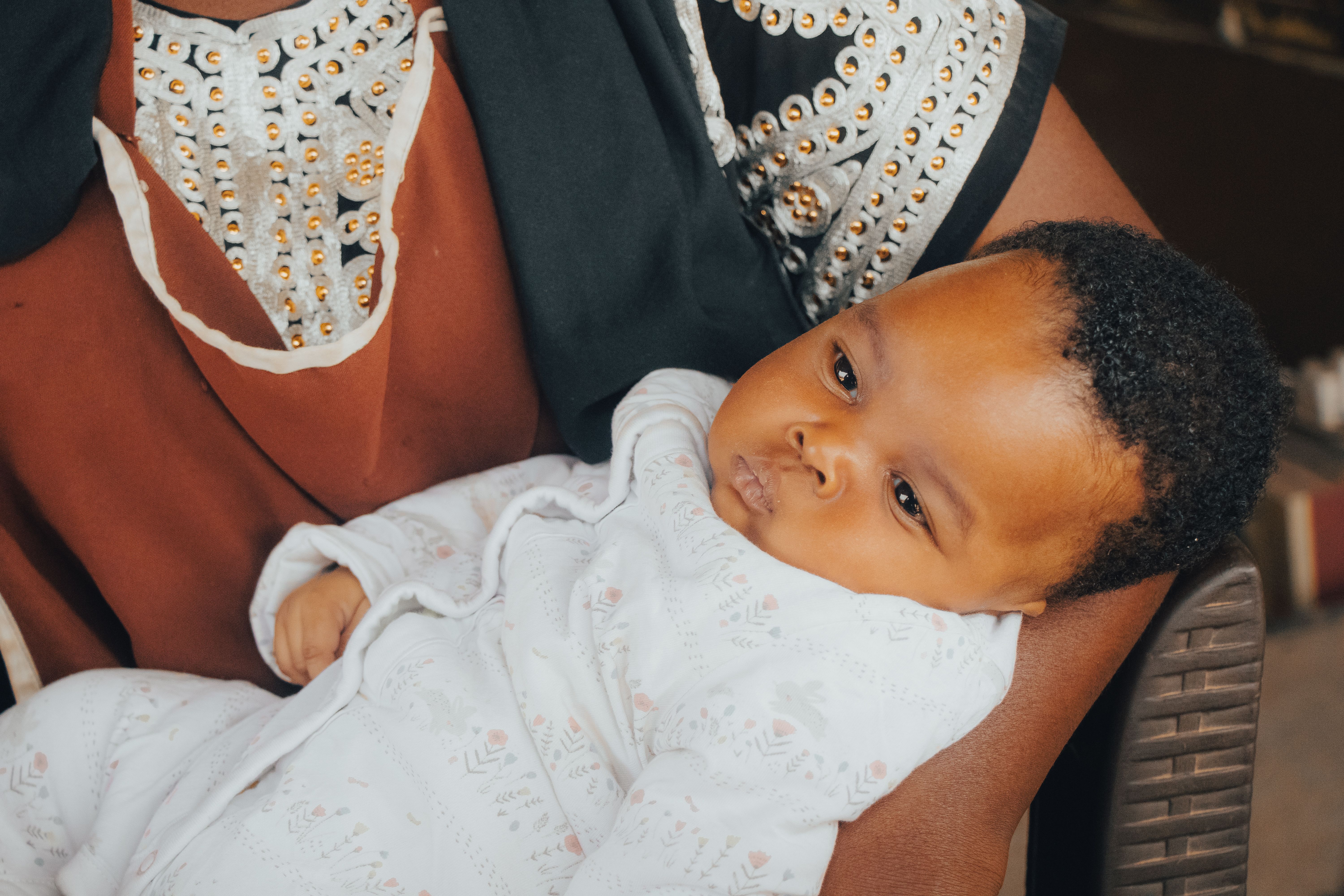
Newborn skin rarely looks like the skin in photographs. Most of what appears in the first weeks reflects an organ adapting to an entirely new environment.
The transition from fluid to air
Before birth, skin is submerged and coated in a waxy layer that limits water loss. After birth it is suddenly exposed to dry air and must build a functioning barrier.
Peeling is the visible part of that adjustment, and it is usually most obvious around the ankles, wrists and hands. Babies born after their due date often peel more.
The barrier is thinner than adult skin and loses water more readily, which is also why newborns are prone to becoming cold and why bathing practices are conservative in the first weeks.
Blotches and spots are common and self-limiting
Small white bumps across the nose and cheeks are blocked pores and clear without treatment. A blotchy red rash with pale centres also appears frequently in the first days.
Both look dramatic, move around the body and disappear over days to weeks. Neither is an allergy nor a reaction to anything the mother has eaten.
Because they resolve on their own, creams and products applied at the time usually get credit for the timing rather than the outcome.
Colour changes reflect immature circulation
Newborn circulation is still adjusting, and blood vessels respond strongly to temperature. Hands and feet often look blue or purple while the trunk is a normal colour.
A marbled or lacy pattern across the skin is common when a baby is cool and settles once warm. Some babies briefly show a colour difference between one side of the body and the other.
Blueness of the lips, tongue or the centre of the face is different and is not part of this normal picture. That requires immediate medical attention.
Yellowing is assessed rather than watched
Many babies develop a yellow tint in the first days as the liver takes over processing a pigment released from red blood cells. Its timing and depth both matter clinically.
Yellowing appearing in the first day of life, deepening rapidly, persisting beyond the expected period, or accompanied by poor feeding and sleepiness is assessed rather than observed at home.
Judging the degree by eye is unreliable, particularly in different skin tones and different lighting, which is why services measure rather than estimate.
What warrants a call
Blistering, widespread peeling in sheets, a rash that does not fade under pressure, spreading redness, or any rash in a baby who is feverish or feeding poorly should be seen promptly.
Birthmarks vary widely, and some are monitored while others are simply recorded. Which is which is a clinical judgement rather than something to assess from appearance.
For the ordinary peeling and blotching, the reasonable approach is minimal intervention, and any concern about a newborn's skin is worth raising with a midwife or doctor rather than treating.